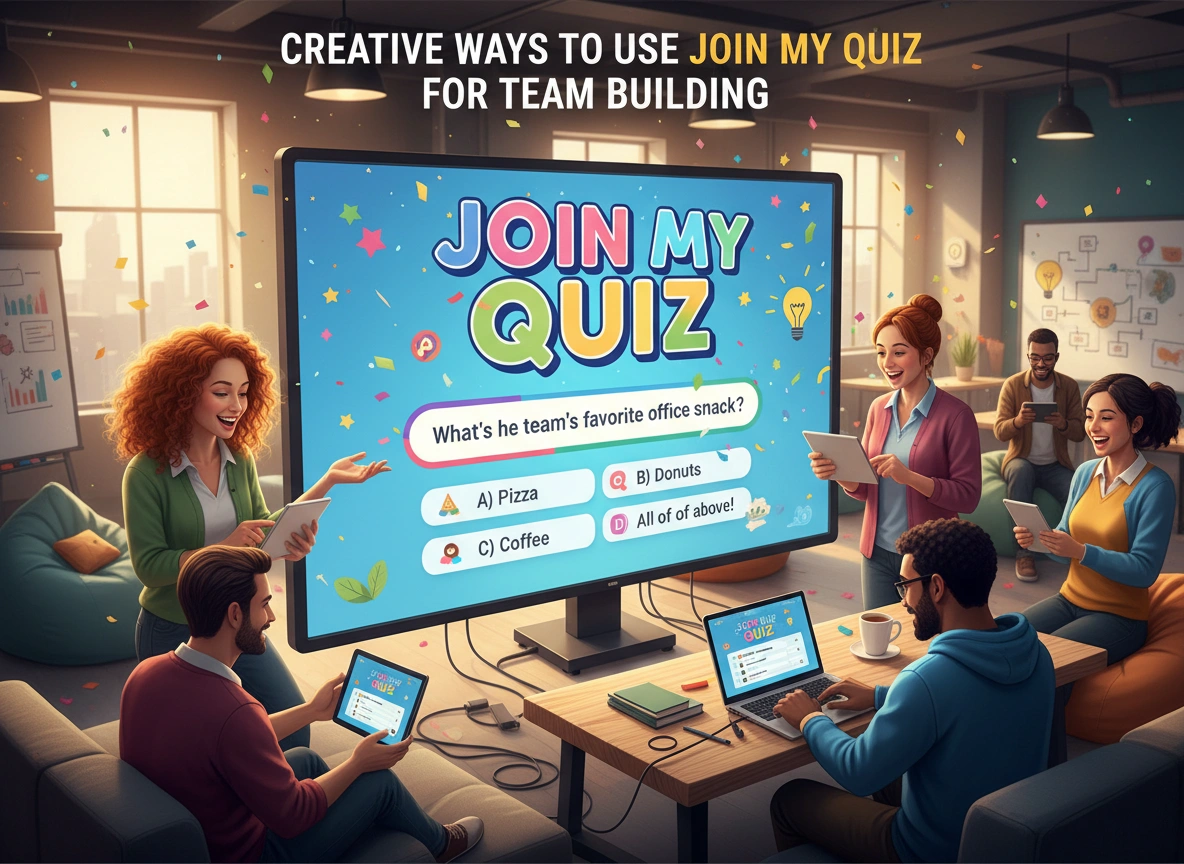
Are you struggling to keep your team connected and engaged? Whether your employees work remotely, hybrid, or entirely in the office, finding activities that bring people together without feeling forced is a common challenge. Traditional trust falls and endless video meetings often fail to inspire real connection.
Gamification offers a fresh approach to professional development and team bonding. By introducing friendly competition and interactive learning, you can transform how your colleagues interact. This guide explores innovative ways to incorporate interactive quizzes into your team-building exercises. You will learn how to foster collaboration, improve communication, and build genuine camaraderie using digital platforms.
Why Gamification Boosts Team Morale
Gamification applies game-design elements to non-game contexts. When applied to team building, it yields impressive results. Human beings naturally gravitate toward play, problem-solving, and rewards. When you introduce these elements into the workplace, you break down hierarchical barriers and encourage organic interaction.
Interactive quizzes serve as an excellent medium for this. They require active participation rather than passive listening. When employees collaborate to answer questions, they must communicate clearly, listen to diverse perspectives, and manage disagreements constructively. Furthermore, the low-stakes environment of a trivia game allows individuals to showcase unique knowledge and skills they might not typically share in their daily roles.
This shared experience releases dopamine, the brain’s reward chemical, which creates positive associations with team members and the workplace itself. Teams that play together develop a stronger foundation of trust, making them more resilient during high-pressure work situations.
5 Creative Ways to Use Join My Quiz for Teams
Implementing a quiz-based activity requires more than just throwing together a few random questions. To maximize the benefits, you need targeted strategies. Here are five creative ways to structure your activities.
1. The Weekly Trivia Challenge
Consistency builds habit and anticipation. Establish a weekly trivia challenge to give your team something to look forward to at the end of the week. You can host this live during a Friday wrap-up meeting or asynchronously for globally distributed teams.
Design the questions around a specific theme each week. Themes could range from 1980s pop culture and world geography to niche hobbies. To make it highly interactive, simply have your team join my quiz and compete for the top spot on the leaderboard. Rotate the responsibility of quizmaster among team members so everyone gets a chance to design a game based on their interests.
2. “Get to Know You” Icebreakers
Onboarding new employees or merging departments often requires deliberate icebreaker activities. Standard introductions can feel stiff. Instead, create a personalized quiz about the team members themselves.
Send out a short survey beforehand asking each person for two surprising facts about their lives. Compile these facts into a multiple-choice game where the team must guess which fact belongs to which colleague. This activity generates laughter, sparks follow-up conversations, and helps employees find common ground over shared interests or unique experiences.
3. Departmental Face-Offs
Healthy competition between departments can break down organizational silos. Organize a tournament where different teams, such as Marketing and Sales, compete against each other.
The key to a successful departmental face-off lies in the question selection. Mix general knowledge questions with company-specific trivia. You might even include questions about what the opposing department does. This subtle educational twist helps teams understand each other’s roles better while enjoying the thrill of the competition.
4. Product Knowledge Competitions
Training sessions on new products or company policies often suffer from low engagement. Transforming this dry material into an interactive game drastically improves information retention.
After a training presentation, test the team’s understanding through a fast-paced quiz. The competitive element encourages employees to pay closer attention during the training phase. Keep the tone light and focus on rewarding correct answers rather than penalizing mistakes. This approach turns mandatory training into an enjoyable experience while ensuring your staff fully grasps the essential information.
5. Virtual Escape Rooms
For a more immersive experience, structure your quiz like a virtual escape room. This requires a bit more narrative planning but delivers massive engagement.
Create a storyline where the team must “unlock” different rooms by answering a series of challenging questions. Group participants into small breakout rooms and have them work collaboratively to solve puzzles and find clues hidden in the quiz questions. This format tests their collective problem-solving skills, time management, and ability to delegate tasks under pressure.
Best Practices for Corporate Quiz Events
Even the best ideas can fall flat if not executed properly. To ensure your team-building activities succeed, keep these crucial best practices in mind.
Keep it Inclusive
Your team consists of individuals with diverse backgrounds, ages, and cultures. Ensure your questions reflect this diversity. Avoid focusing heavily on regional pop culture that international team members might not understand. A well-rounded quiz includes topics from science, history, food, and general logic to give everyone an opportunity to contribute.
Offer Meaningful Rewards
While the glory of winning is great, tangible rewards increase participation rates. The prizes do not need to be expensive. Consider offering a digital gift card for a coffee shop, an extra hour of paid time off, or even a silly physical trophy that the winner can display on their desk or in their video background until the next game.
Balance Competition and Collaboration
While competition drives engagement, intense rivalries can damage team dynamics. Emphasize team-based play over individual leaderboards. When people work together in small groups to achieve a high score, they build the cooperative skills necessary for daily project work. Always keep the focus on fun rather than perfection.
Setting Up Your First Activity
Launching your first quiz-based team building event is straightforward. Start by identifying your primary goal. Do you want to break the ice for a new team, reinforce recent training, or simply provide a mental break during a stressful project phase?
Once you establish your goal, outline a 15-minute activity. Shorter events work best for initial trials because they do not disrupt the workday significantly. Draft 10 to 15 questions, ensuring a mix of easy, medium, and difficult challenges. Send out an enthusiastic calendar invitation explaining the rules and the potential prizes.
During the event, act as an energetic host. Read the questions aloud, provide playful commentary, and encourage chatter among the participants. After the game concludes, ask for informal feedback to see what the team enjoyed and what you can improve for the next session.
Fostering Long-Term Connection
Team building is not a one-time event; it requires ongoing effort and creativity. By integrating interactive digital quizzes into your regular routine, you provide a reliable, low-stress environment for colleagues to connect.
These activities remind employees that work can be enjoyable and that their coworkers are multifaceted individuals with distinct talents. As you continue to experiment with different formats, themes, and team groupings, you will notice a marked improvement in daily communication and a stronger, more unified company culture. Start planning your next trivia challenge today and watch your team’s engagement soar.
