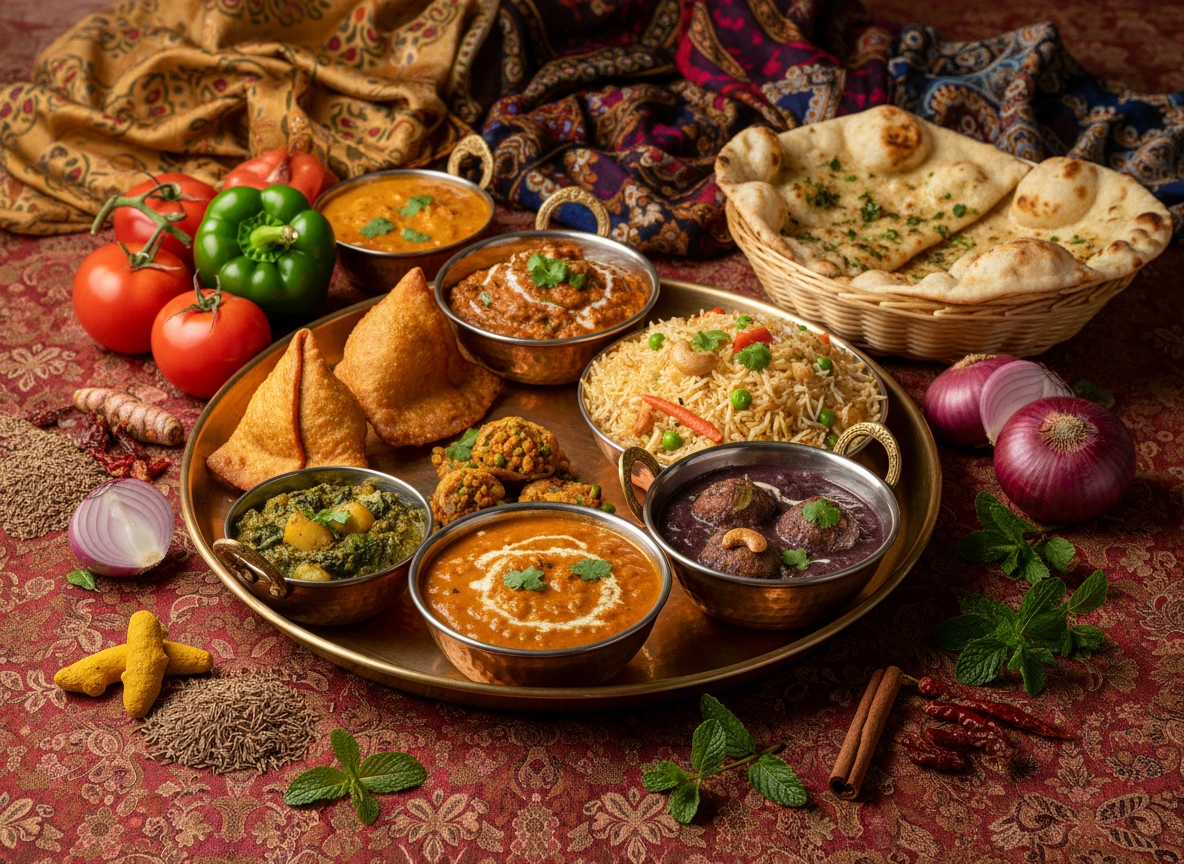
India has long been regarded as the vegetarian capital of the world. With a rich history of plant-forward eating deeply rooted in religious and cultural practices, one might assume that the transition to veganism would be seamless. However, the distinction between vegetarianism—which often relies heavily on dairy—and strict veganism is significant. The rise of veganism in India represents more than just a diet change; it signals a profound shift in how tradition meets modern ethics.
This article examines the growing influence of veganism on Indian food culture. We will explore how this global movement is reshaping traditional culinary practices, the economic opportunities it creates for food businesses, and the health implications for a population grappling with lifestyle diseases.
Key Takeaways:
- The critical difference between traditional Indian vegetarianism and modern veganism.
- How dairy’s central role in Indian culture poses the biggest challenge to the vegan movement.
- Examples of regional dishes that require little to no modification to become vegan.
- The economic surge of plant-based alternatives in the Indian market.
The Cultural Paradox: Vegetarian vs. Vegan in India
To understand the impact of veganism, we must first address the dominance of dairy. In India, milk, ghee (clarified butter), paneer (cottage cheese), and curd (yogurt) are not just ingredients; they are cultural staples. They are used in religious ceremonies, daily meals, and are often considered symbols of purity and nourishment.
Vegetarianism in India is widespread, with estimates suggesting anywhere from 20% to 39% of the population identifies as vegetarian. Yet, this vegetarianism is inherently lacto-vegetarian. A meal without a dollop of ghee or a side of curd is often seen as incomplete. Consequently, the vegan movement faces a unique cultural hurdle: convincing a population that already believes it eats ethically and healthily to give up its most cherished ingredient.
However, the narrative is shifting. Younger generations, exposed to global conversations about animal welfare and the environmental impact of the dairy industry, are questioning these traditions. They are driving a conversation that separates the sanctity of the animal from the consumption of its byproducts.
Naturally Vegan: Rediscovering Regional Roots
One of the most compelling arguments for veganism in India is that it doesn’t require reinventing the wheel. A vast portion of Indian cuisine is naturally vegan or requires only minor substitutions. While North Indian cuisine is famous for its rich, dairy-heavy gravies, cuisines from the South, East, and Northeast often rely on coconut, mustard oil, and vegetable broths.
South Indian Staples
South Indian breakfast items are practically the poster children for vegan food. Idli (steamed rice cakes), Dosa (fermented crepes), and Vada (lentil donuts) are traditionally made from rice and lentils. They are served with Sambar (a lentil and vegetable stew) and coconut chutney. Unless ghee is explicitly added as a topping, these meals are inherently vegan.
The Coastal Connection
In coastal regions like Kerala and Konkan, coconut milk replaces dairy cream as the primary thickening agent for curries. Dishes like Vegetable Ishtu (stew) or Avial rely on coconut and vegetables, offering rich, creamy textures without a drop of dairy.
North Indian Adjustments
Even in the North, many daily staples are vegan. Dal (lentil soup), Chana Masala (chickpea curry), and Aloo Gobi (potato and cauliflower) are standard household meals. The primary switch required here is substituting ghee with oil for the tadka (tempering) and avoiding the final garnish of cream.
This ease of adaptation means that for many Indians, going vegan doesn’t feel like adopting a “foreign” diet. It feels like a return to simple, home-cooked roots.
The Economic Surge: The Rise of Plant-Based Alternatives
The impact of veganism is perhaps most visible in the marketplace. Five years ago, finding almond milk in a standard grocery store was a challenge. Today, the shelves are stocked with oat milk, soy milk, and even millet milk.
This shift isn’t just about beverages. The “mock meat” sector is exploding. Indian startups are innovating with jackfruit, soy, and seitan to create textures that mimic mutton and chicken, catering to the “flexitarian” demographic—non-vegetarians looking to reduce their meat consumption.
Innovations in Dairy Alternatives
The most significant innovation is happening in the alternative dairy sector. Startups are producing plant-based ghee, curd, and paneer that rival their dairy counterparts in taste and texture. Using ingredients like cashew, almond, and peanut, entrepreneurs are ensuring that cultural habits—like drinking chai or eating dahi with rice—can be maintained without animal products.
According to recent market analysis, the plant-based meat market in India is projected to grow significantly, driven by health consciousness and rising disposable incomes in urban centers. This economic opportunity is encouraging traditional FMCG giants to launch their own plant-based lines, validating veganism as a mainstream consumer category rather than a niche trend.
Health Implications: A Double-Edged Sword?
The health argument is a major driver for vegan adoption in India. The country faces an epidemic of lifestyle diseases, including diabetes, hypertension, and heart disease. Many people turn to a whole-food, plant-based diet to manage or reverse these conditions. Eliminating cholesterol-laden ghee and full-fat dairy can have immediate positive effects on heart health.
However, nutritionists warn of the “junk food vegan” trap. As the market floods with processed vegan snacks, biscuits, and frozen meals, it becomes easier to be vegan without being healthy. A diet high in refined flour (maida) and deep-fried vegan snacks (like samosas fried in oil) can be just as detrimental as a non-vegan diet.
Furthermore, India has high rates of Vitamin B12 and Vitamin D deficiency. Since B12 is primarily found in animal products, new vegans must be educated on supplementation and fortified foods. The impact on public health will ultimately depend on education—teaching consumers to prioritize whole grains, legumes, and vegetables over processed alternatives.
Challenges to Widespread Adoption
Despite the momentum, significant barriers remain.
The Price Perception
Veganism is often viewed as an elitist or expensive lifestyle. While lentils and rice are cheap, almond milk and mock meats are significantly more expensive than cow’s milk and chicken. For the average middle-class family, the economic math of switching to specialized vegan products simply doesn’t add up yet.
Social Friction
Food is communal in India. Refusing prasad (religious food offering, usually containing dairy) or turning down a host’s famous paneer tikka can be seen as disrespectful. Vegans in India often navigate a complex social landscape where their dietary choices are interpreted as a rejection of hospitality or tradition.
Supply Chain Issues
While metro cities like Mumbai, Bangalore, and Delhi are vegan-friendly, access to alternatives drops sharply in Tier-2 and Tier-3 cities. The logistics of cold-chain supply for plant-based milks and meats need improvement to make these products accessible nationwide.
The Future of Indian Veganism
The trajectory of veganism in India points toward a hybrid model. We are unlikely to see a mass abandonment of dairy overnight. Instead, we are seeing a “reductionist” approach. People are swapping dairy milk for oat milk in their coffee while still enjoying traditional sweets during festivals.
Chefs and restaurants are playing a pivotal role. Fine dining establishments are creating vegan tasting menus that celebrate local produce, elevating the perception of plant-based food from “restrictive” to “luxurious.” This culinary innovation helps break the stereotype that vegan food is bland or boring.
Moreover, the focus on sustainability resonates with the ancient Indian philosophy of Ahimsa (non-violence). As climate change awareness grows, the environmental cost of dairy farming—water usage, methane emissions, and land degradation—is becoming a talking point. Veganism frames itself not as a new Western trend, but as a modern expression of ancient Indian values of compassion and stewardship.
Conclusion
The impact of veganism on Indian food culture is transformative and multifaceted. It is challenging age-old traditions surrounding dairy while simultaneously highlighting the inherent plant-based richness of Indian cuisine.
While challenges regarding cost and social acceptance persist, the rapid growth of the plant-based market suggests this is not a passing fad. Veganism in India is evolving into a distinct movement that blends modern ethics with traditional flavors. It invites Indians to look at their plates and ask not just “Is this tasty?” but “Is this kind?”
For those looking to explore this lifestyle, the path is easier than ever. Start by identifying the naturally vegan dishes you already love. Experiment with coconut milk in your curries or try a plant-based yogurt. The future of Indian food is inclusive, sustainable, and delicious—and it is increasingly plant-based.
Please visit website for more info.
