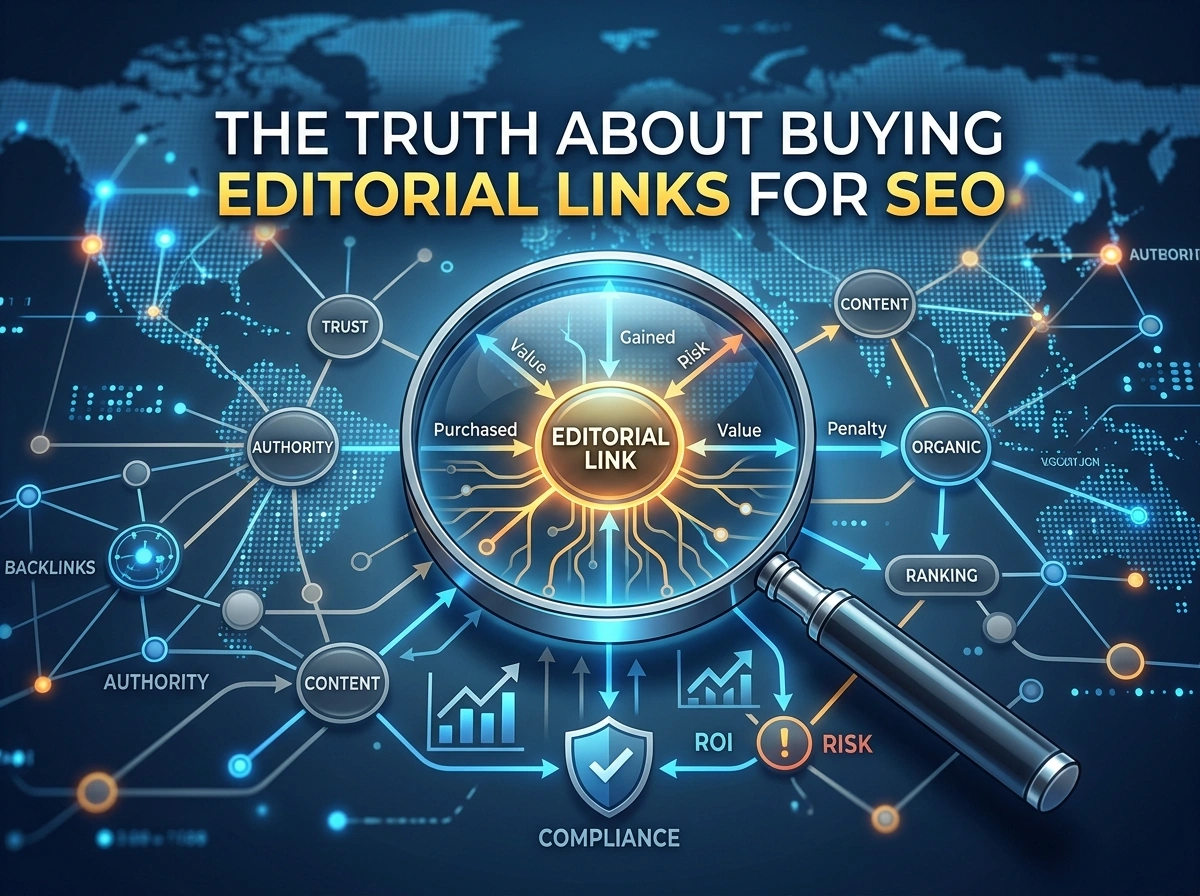
Securing a top spot on search engine results pages remains a massive hurdle for many website owners. You spend hours optimizing your content, tweaking your site speed, and refining your keywords. Yet, you might still find yourself stuck on page two or three. Often, the missing ingredient is a strong backlink profile. Search engines view links from reputable websites as votes of confidence. The more high-quality votes you have, the higher your content climbs.
Getting these links organically takes a tremendous amount of time, outreach, and luck. Because of this steep climb, many businesses consider paying for placements on authoritative websites. This practice is widely discussed in the marketing industry, blending immense potential benefits with notable risks.
Understanding how search engines evaluate backlink profiles is essential before you allocate your marketing budget. This comprehensive guide explores the advantages, the potential pitfalls, and the most effective strategies for navigating the complex world of paid link building. By the end of this post, you will have a clear framework to decide if this strategy aligns with your long-term organic growth goals.
Understanding the Value of Editorial Links
Before weighing the pros and cons, you need to understand what an editorial link actually is. An editorial link is a backlink placed naturally within the body of a high-quality, relevant article. Unlike a link in a blog comment, a forum signature, or a low-quality directory, an editorial link looks and feels completely natural to the reader.
Editors at major publications, industry blogs, and news sites place these links to provide their readers with valuable additional information. Search engines like Google place a heavy premium on these contextual links. They signal that a trusted source finds your website valuable enough to reference.
When you purchase these placements, you are essentially paying an agency or an intermediary to pitch your content to these editors. The intermediary handles the outreach, content creation, and negotiation required to secure a permanent spot on a high-authority domain.
The Pros of Buying Editorial Placements
Acquiring links through a premium service offers several distinct advantages for growing businesses. When executed correctly, this approach can transform your organic visibility.
Accelerated Authority Building
Building domain authority organically is a slow grind. You might publish incredible content for months without earning a single high-value backlink. Purchasing editorial placements allows you to bypass the waiting period. By securing links from websites with high Domain Ratings (such as DR 40 to 70+), you send immediate, powerful trust signals to search engines. This accelerated authority building can push your core commercial pages onto the first page of search results much faster than passive link earning.
Targeted Traffic and Brand Visibility
A well-placed link does more than pass SEO value. It also drives highly qualified referral traffic directly to your website. When an authoritative publication in your specific industry features your brand, their readership takes notice. People reading the article are already interested in the topic. When they click your link, they arrive on your site primed to engage with your products or services. This increased brand visibility on top-tier media outlets elevates your credibility instantly.
Guaranteed Placements and Metrics
Outreach campaigns are notoriously unpredictable. You can send a hundred personalized emails to site owners and receive zero replies. Paid placements remove this uncertainty. Premium services provide guarantees regarding minimum Domain Rating, organic traffic levels, and contextual relevance. You know exactly what you are paying for, allowing you to accurately calculate your return on investment.
Time and Resource Efficiency
Running an in-house link-building campaign requires significant resources. You need SEO strategists to identify targets, writers to craft guest posts, and outreach specialists to negotiate with editors. Buying editorial links frees up your internal team. You can redirect your staff to focus on product development, customer service, or creating excellent on-page content, leaving the complex web of digital PR to specialized agencies.
The Cons and Risks of Paid Link Building
While the benefits are highly attractive, this strategy is not without its dangers. Search engines have strict guidelines, and violating them can harm your website.
Search Engine Penalties
Google’s spam policies explicitly state that buying or selling links that pass PageRank can dilute the quality of search results. If an algorithm update or a manual reviewer catches you participating in a manipulative link scheme, your site could face a severe penalty. This might result in a sudden drop in rankings or complete removal from the search index. The risk is highest if you buy links on low-quality, irrelevant sites that exist solely to sell placements.
The Cost Factor
High-quality editorial links are not cheap. Because premium agencies invest heavily in creating great content and maintaining relationships with top-tier editors, the cost per link can run into the hundreds or even thousands of dollars. For small businesses or early-stage startups with tight budgets, this expense can quickly deplete marketing funds. You must carefully weigh the financial cost against the projected increase in organic revenue.
Quality Control and Shady Providers
The SEO industry is unfortunately filled with bad actors. Some agencies promise high-quality editorial links but deliver placements on Private Blog Networks (PBNs) or spammy sites. These toxic links do more harm than good. Finding a transparent, trustworthy partner who strictly adheres to safe, white-hat practices requires thorough vetting and due diligence.
Best Practices for Safe SEO Link Acquisition
If you decide to invest in link building, you must do it strategically to protect your domain and maximize your results. Follow these best practices to ensure your campaign yields sustainable growth.
Prioritize Contextual Relevance
A link on a high-DR website is useless if the site has nothing to do with your industry. If you sell accounting software, a link from a popular baking blog will look unnatural to search engines and readers alike. Always prioritize contextual relevance. The publication, the article topic, and the surrounding text must naturally align with the page you are linking to.
Scrutinize the Linking Website
Do not rely solely on third-party metrics like Domain Authority or Domain Rating. While these metrics provide a helpful baseline, they can be manipulated. Manually review any site before accepting a link placement. Check if the site generates real, verified monthly search traffic. Ensure they publish genuine content for a real audience, rather than just churning out sponsored posts.
Diversify Your Backlink Profile
A healthy backlink profile looks natural and varied. If 100% of your links are highly optimized editorial placements with exact-match anchor text, search engines will raise a red flag. Mix your paid efforts with organic strategies. Earn links through digital PR, create shareable infographics, and engage in unlinked brand mention outreach. A diverse profile protects you against future algorithm shifts.
Partner with Reputable Link Builders
Your success depends entirely on the agency you choose. Look for teams managed by senior SEO professionals with a proven track record. They should offer a systematic, transparent approach, from comprehensive backlink audits to strategic content creation. If you want to safely scale your organic presence without the fear of penalties, you can choose to buy editorial links from a provider that strictly adheres to high quality standards and verifiable traffic metrics.
Frequently Asked Questions
Are paid editorial links considered black-hat SEO?
Buying links specifically to manipulate rankings violates Google’s guidelines. However, digital PR and sponsored content are standard marketing practices. The line between acceptable outreach and black-hat tactics depends on the quality of the site, the relevance of the content, and whether the link provides genuine value to the reader.
How long does it take to see results from link building?
SEO is a long-term strategy. While your link might go live in a few weeks, it can take several months for search engines to crawl the new link, recalculate your authority, and adjust your rankings. Compounding SEO value typically becomes highly visible within three to six months of consistent link building.
What is Domain Rating (DR) and why does it matter?
Domain Rating is a metric created by Ahrefs that shows the strength of a website’s total backlink profile on a scale from 1 to 100. It is a widely used proxy for measuring how much authority a site can pass to yours. Targeting sites with a DR between 40 and 70+ generally yields the best balance of cost and impact.
Navigating the Future of Link Building
Investing in your backlink profile remains one of the most reliable ways to improve your organic search visibility. While buying links carries inherent risks, approaching the process with a focus on quality, relevance, and transparency minimizes those dangers. The key is to view link building not as a shortcut to trick search engines, but as a strategic form of digital PR that establishes your brand’s credibility across the web.
Focus on securing permanent placements on publications that command real audiences and boast strong organic traffic. By carefully vetting your partners and maintaining a diverse, natural-looking link profile, you can outrank your competitors and attract highly qualified traffic to your site for years to come.
