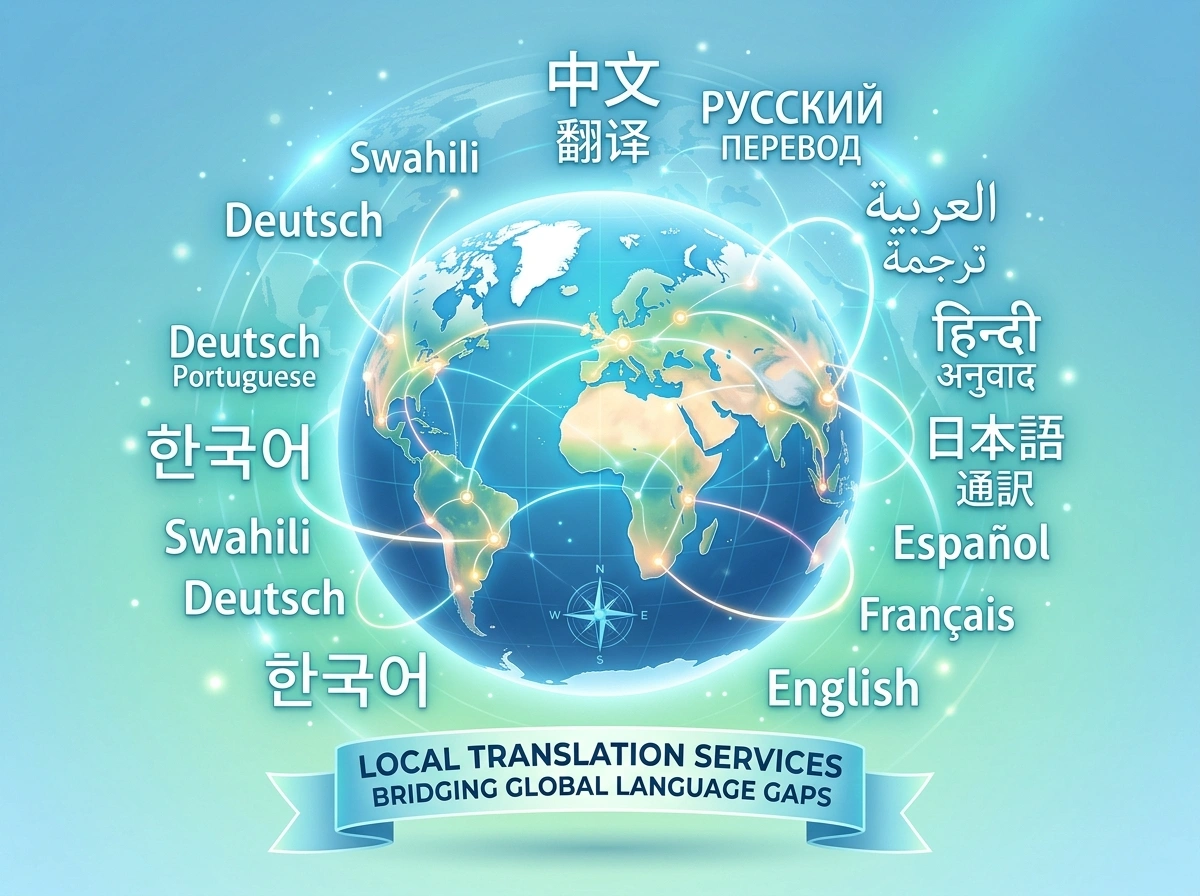
Businesses, governments, and individuals interact across borders more frequently than ever before. This high level of global connectivity creates massive opportunities for growth, collaboration, and cultural exchange. However, it also introduces a significant hurdle: the language barrier. Communicating effectively across different native tongues requires more than just swapping words from one language to another.
Accurate communication demands a deep understanding of cultural context, regional dialects, and specific legal frameworks. A minor mistranslation in a business contract or an immigration application can cause severe delays, financial losses, or legal complications. People need clear, precise, and culturally relevant communication to ensure their documents are accepted and understood by the receiving party.
Professional translation bridges this gap by providing accurate and certified documents that meet strict international standards. Choosing the right translation partner ensures your paperwork is handled with care, precision, and complete confidentiality. This guide explores why local expertise matters, how to choose the right provider, and the enduring value of human translators.
Understanding the Need for Local Expertise
Finding a translator who speaks both languages is only the first step. True translation requires local expertise to navigate the complex web of cultural and legal expectations specific to a region.
Mastering Cultural Nuances
Language is deeply tied to culture. Idioms, tone, and cultural references rarely translate directly from one language to another. A phrase that sounds polite and professional in Spanish might come across as overly formal or even confusing when translated literally into English. Local experts understand these subtle nuances. They adapt the text so that the original intent, tone, and meaning resonate perfectly with the target audience. This cultural alignment is crucial for marketing materials, employee handbooks, and interpersonal communications.
Navigating Regional Legal Requirements
Legal and official documents must adhere to strict regional guidelines. A court in California has different formatting and certification requirements than a university admission board in New York or a consulate in Europe. Translators with local expertise know exactly what these institutions expect. They format the documents correctly and provide the necessary certifications, ensuring your paperwork moves through the system without unnecessary rejections or requests for revision.
Benefits of Professional Translation Services
Handling translations internally or relying on bilingual friends might seem like a cost-effective approach. However, official matters require a level of professionalism and accountability that only dedicated services can provide.
Guaranteed Accuracy and Certification
Professional agencies specialize in providing certified translations. A certified translation includes a signed statement from the translator attesting to the accuracy and completeness of the document. Government agencies like United States Citizenship and Immigration Services (USCIS), federal courts, and academic institutions strictly require this certification. Professional translators have the training to handle complex terminology found in medical records, legal contracts, and birth certificates without making critical errors.
Strict Confidentiality and Data Security
Official documents often contain highly sensitive personal or corporate information. Tax returns, criminal background checks, and corporate financial statements require strict confidentiality. Professional translation companies implement robust security protocols to protect your data. They use secure portals for document uploads and ensure that all staff members sign non-disclosure agreements, giving you peace of mind that your private information remains secure.
Fast and Reliable Turnaround Times
Time is often a critical factor when dealing with legal or immigration matters. Missing a deadline for a visa application or a court filing can have severe consequences. Professional services understand these pressures and offer reliable turnaround times. Many providers can deliver certified documents within one to three business days, with expedited options available for urgent, same-day requests.
How to Find Reliable Translation Services Near Me
Searching for a reputable provider can feel overwhelming when you need important documents translated quickly. Knowing what criteria to look for will help you make an informed decision.
When you search for translation services near me, prioritize companies that offer full transparency and industry credentials. An excellent provider will make their process clear from the moment you visit their website.
Look for ATA Certification
Membership in professional organizations is a strong indicator of quality. Look for companies that are corporate members of the American Translators Association (ATA). ATA membership demonstrates a commitment to high ethical standards and professional translation practices. A reputable agency will proudly display their credentials and accreditation, ensuring you are working with qualified language experts.
Check for Transparent Pricing
Hidden fees and complicated pricing structures cause unnecessary frustration. The best translation providers offer simple, transparent pricing based on the number of pages rather than a confusing per-word rate. For instance, a reliable standard rate for certified translation is often around $29.95 per page. They should also provide instant, free quotes so you know exactly what the service will cost before you commit.
Verify Government Acceptance
If you are translating documents for immigration or legal purposes, confirm that the company’s translations are guaranteed to be accepted by the relevant authorities. The provider should explicitly state that their certified documents comply with USCIS regulations and are accepted by federal and state courts.
The Role of Technology vs. Human Expertise
The rise of artificial intelligence has introduced powerful new tools for language translation. While these technologies offer impressive speed, they cannot replace the critical role of human translators in official contexts.
The Limitations of Machine Translation
Machine translation tools are useful for getting the general gist of a casual email or translating a simple web page. However, algorithms struggle with context, legal terminology, and complex sentence structures. Software cannot verify its own accuracy or sign a legal certificate of accuracy. Relying on automated tools for official documents frequently leads to awkward phrasing, critical errors, and rejected applications.
Why Human Translators Remain Essential
Human translators bring critical thinking and cultural awareness to every project. They recognize when a legal term has no direct equivalent in the target language and know how to accurately convey the concept. Furthermore, human professionals provide the legally binding certification required by government agencies. While technology assists translators by speeding up formatting and research, the final review and certification must always come from a qualified human expert.
Examples of Effective Translation in Action
To understand the impact of professional translation, it helps to look at common scenarios where accurate language services make a tangible difference.
Securing a Green Card Through USCIS
An applicant submitting a family-based petition for a U.S. Green Card must provide various supporting documents, including birth certificates and marriage licenses. If these documents are in a foreign language, USCIS requires a fully certified English translation. A professional service translates the documents, formats them to match the original layout, and attaches the required Certificate of Accuracy. The applicant submits the petition with confidence, avoiding the delays that occur when USCIS issues a Request for Evidence (RFE) due to poor translation.
Expanding a Business Internationally
A local software company decides to expand its operations into Latin America. They need their terms of service, user manuals, and employee contracts translated into Spanish. A professional agency assigns native-speaking translators who understand corporate legal terminology. The resulting documents are legally sound, culturally appropriate, and easily understood by the new user base, allowing the company to launch successfully in the new market.
Frequently Asked Questions About Document Translation
Clients often have specific questions about the translation process before they submit their private documents. Here are some of the most common inquiries regarding official translation services.
What makes a translation certified?
A certified translation includes a formal Certificate of Accuracy. This certificate is signed and dated by the translator or the translation agency. It acts as a legal guarantee that the translated text is a complete and exact rendering of the original document. Institutions like universities and government agencies require this certification to verify the document’s authenticity.
Do I need to provide original documents?
No, you rarely need to surrender your original documents. Most professional agencies operate through secure online portals. You can simply take a clear photograph or scan your document and upload it as a PDF. The agency translates the digital file and sends the certified translation back to you electronically. If necessary, hard copies can be mailed directly to your home.
What is the difference between certified and notarized translation?
A certified translation guarantees the accuracy of the text through the translator’s signed statement. A notarized translation involves a Notary Public who witnesses the translator signing the Certificate of Accuracy and adds their official legal stamp. While USCIS generally only requires standard certification, certain civil courts, banks, and foreign consulates may require the extra step of notarization.
Bridging the Gap for Future Success
Clear communication forms the foundation of all successful international interactions. Whether you are applying for citizenship, studying abroad, or expanding your business globally, the quality of your translated documents directly impacts your success.
Relying on professional, certified translators ensures your paperwork is accurate, secure, and fully compliant with legal standards. By choosing an experienced provider with transparent pricing and strong credentials, you can navigate the complexities of international communication with total confidence. Take the time to find a trusted local partner, and eliminate the language barriers standing in the way of your goals.
